Causes and Effects of World War 2
The following article will give you an insight of various causes and effects of World War 2 - a war which changed the course of life for several countries of the world. Continue reading for more information on why World War II happened, and what were its implications on the world.

World War II (1939-1945)
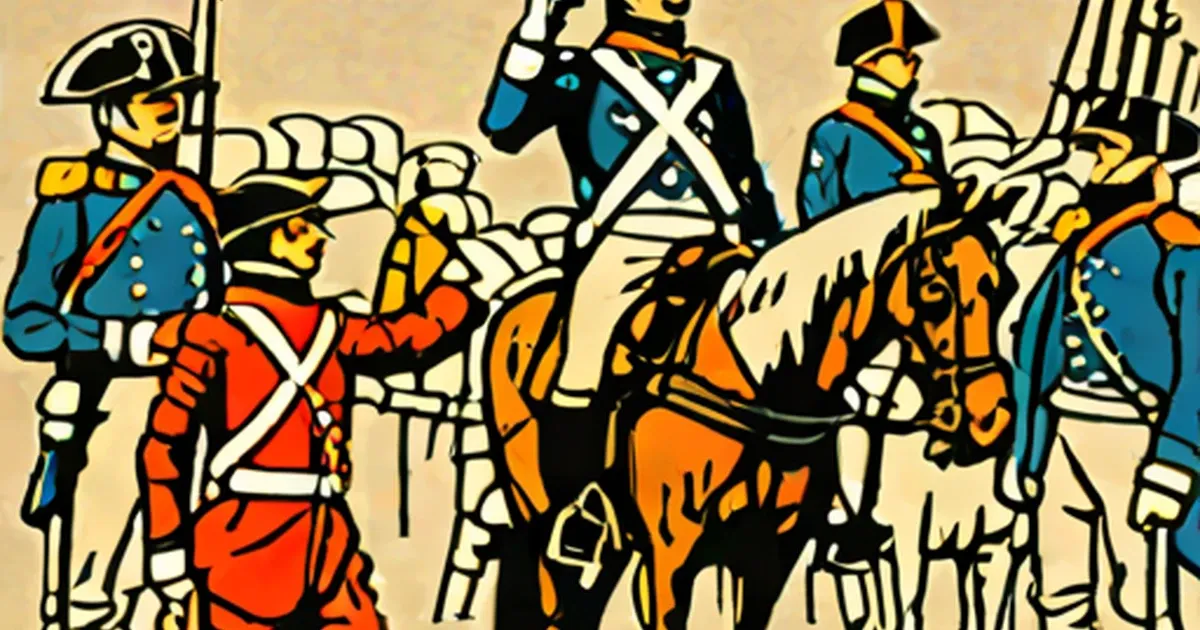
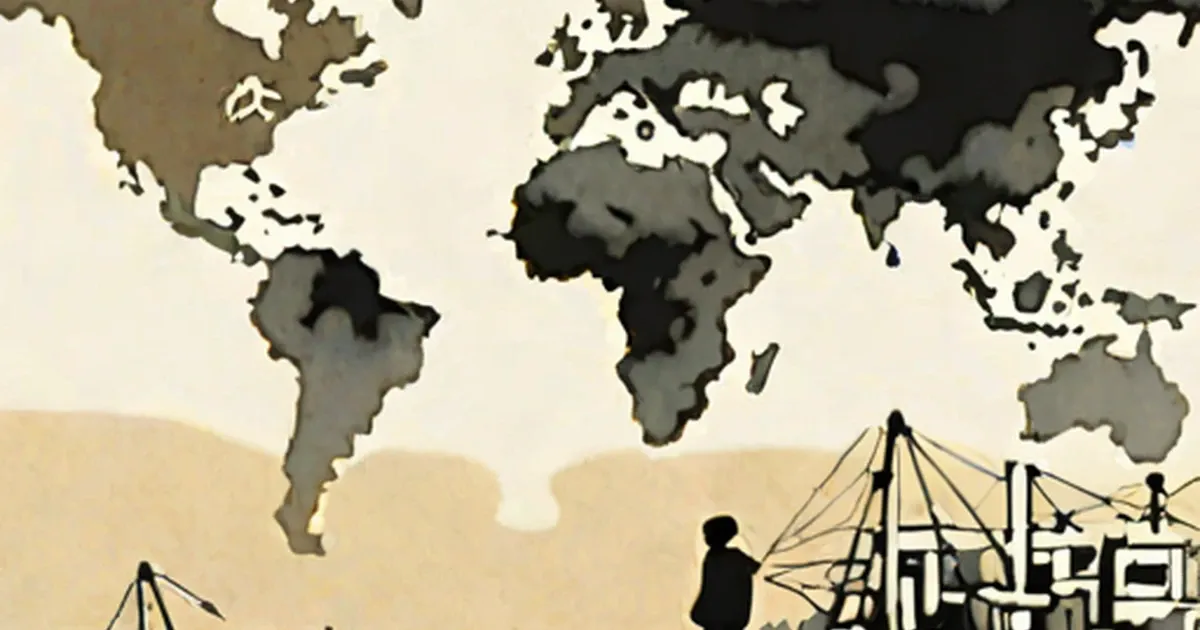
One of the most gruesome Wars of all time, World War 2 is best known for the bombing of Hiroshima and Nagasaki by the United States and the Holocaust - the genocide of as many as six million European Jews. However, there do exist several facts about World War II which continue to elude the smartest of the minds out there. World War II was fought between two military alliances - the Allies, which comprised Soviet Union, United States of America, United Kingdom and other nations, and the Axis, made up of Germany, Japan, Italy etc. The war began on 1st September, 1939, when the German forces invaded Poland and subsequently France and other European nations attacked Germany. It went on for a period of six years before culminating with a victory for the Allies on 2nd September, 1945. A look at the details of the causes and effects of World War 2 will help you understand the chaotic condition that the world was subjected to during and after the war.
What Were the Causes of World War 2?
There were numerous causes of World War 2, but the most important cause was the World War 1 itself. After the first World War, various nations were divided into two groups - the Allied (Entente) Powers, comprising France, British Empire, Russian Empire, United States of America etc. which won the war, and the Central Powers, which included the German Empire, Austria-Hungary etc. The Treaty of Versailles - a peace treaty which followed the culmination of World War 1, held Germany responsible for the war and put certain military restrictions on them. They were also asked to pay a huge sum of money as a fine and make substantial territorial concessions to the Allied Powers.
Post World War I, Germany saw the rise of Adolf Hitler and his concept of Nazism both of which became quite popular in 1930s. Nazism was a form of socialism, totally different from Marxism, which was typically characterized by racism and expansionism. It called for obedience to a strong leader, and Hitler portrayed himself as that strong leader. While Germany witnessed the rise of Adolf Hitler and Nazism, Italy witnessed the rise of Benito Mussolini and Fascism - which was characterized by violence, racism and totalitarianism. Both the concepts were quite similar to each other and this portrayed Hitler and Mussolini as the leaders of war against the Allied Powers.
At this point of time, the Republican government under the leadership of President Woodrow Wilson decided to stay away from various political activities that were taking place in the world. The League of Nations which was formed to bring about the much-needed order in the world turned out to be a failure, and the world was stuck in the clutches of the Great Depression. Among all the chaos, countries like Germany, Italy and Japan took an aggressive stance and attacked their neighboring countries in a bid to expand their territories. The Allied Powers took a serious note of this and retorted with military force, and that proved to trigger factor for World War II.
What Were the Effects of World War 2?
If the effects of World War I were gruesome, the effects of World War II were even more worse. The number of people who lost their lives during the war was in millions, and the number of people who were left homeless was manifold larger than that. However, World War 2 also marked the end of dictatorship in Europe, and pitched the United States and Soviet Union as the super powers of the world. It also resulted in formation of the United Nations, an organization formed to promote peace and security in the world. The Paris Peace Treaty, signed on 10th February, 1947, allowed nations like Italy, Bulgaria and Finland to resume as sovereign states in international affairs and become of the members of the United Nations. The Treaty also included provisions for the payment of war reparations and post war territorial adjustments.
Several European and Asian countries had to bear the brunt of the second World War. The territorial borders of European countries were redrawn. The biggest beneficiary in terms of territorial expansion was the Soviet Union which annexed parts of Finland, Poland, Japan, Germany and some independent states to its territories. The worst affected nation was Germany, which was divided into four parts - one each was held by France, United States, Soviet Union and Great Britain. While the first plans put forth by the United States for Germany were very harsh, they were eased down after it was realized that the revival of Europe was not possible without the revival of the German industrial base. Everything was not all right though, as it was the World War 2 which laid the foundation for Cold War between the United States and Soviet Union which lasted for a period of 44 years between 1947-1991.
That covered a significant bit of information about some of the major causes and effects of World War 2. As far as the economic effects of World War 2 are concerned, it did have some positives but they were by no means a match for the havoc this war created. The numerous jobs created during the war brought an end to the crisis of unemployment during the Great Depression. While those industries which manufactured various products required during the war flourished, other industries suffered a major setback. The European economy was almost brought to a standstill during the second World War. It took quite some time for the world to revive after the war came to an end on 2nd September, 1945, but that was only after as many as 24,000,000 soldiers and 49,000,000 civilians lost their lives on both the sides.
Like This Article?
Follow:

Post Comment | View Comments