Caring for Zinnia Flowers
Zinnias are lovely flowers that will bring a splash of color to your garden. Find out how you can grow and care for these popular garden flowers that come in a variety of bright colors.

How to Plant Zinnias
- Zinnias are grown directly from seeds, and even reseed themselves every year. The best time to sow the seeds is late spring. Zinnias need abundant sunshine to grow, and will refuse to germinate if the ground is cool! The blooming season generally lasts from mid-summer to fall. At the first sign of frost, these plants wither and die.
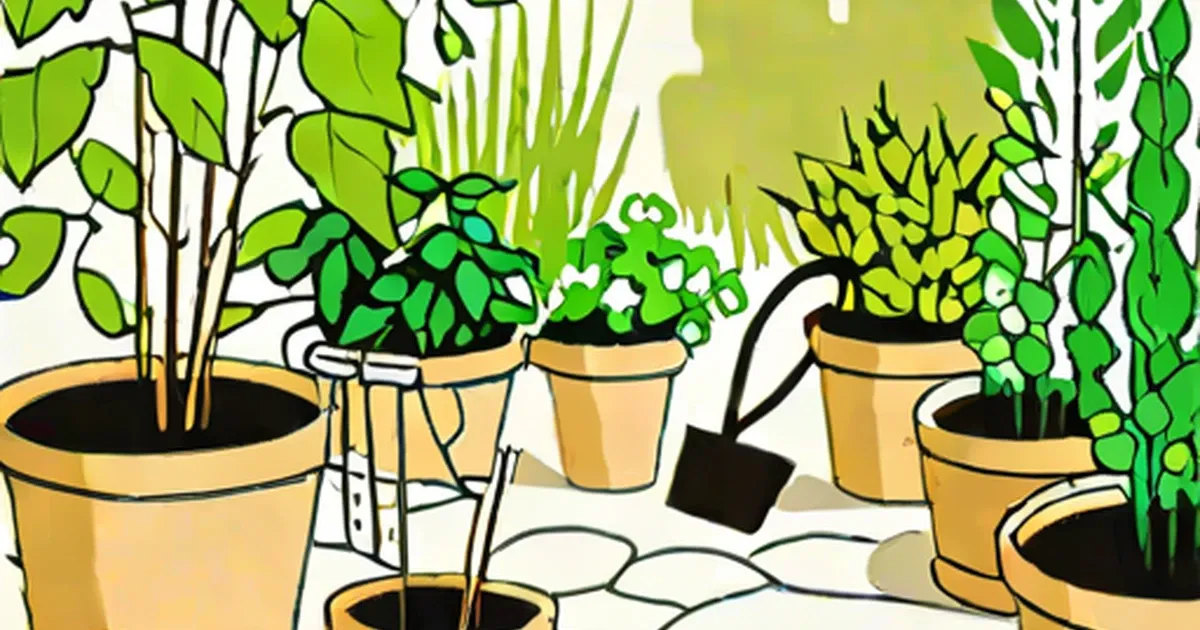
- Whether you have chosen a window box or a flowerbed to grow your zinnias, make sure the soil you use drains well, is very fertile, and enriched with humus.
- With a rake, dig the soil a bit to aerate it well, and sow the seeds with a gap of one inch between them. Then smooth the soil over so that the seeds are buried a quarter of an inch deep into the ground.
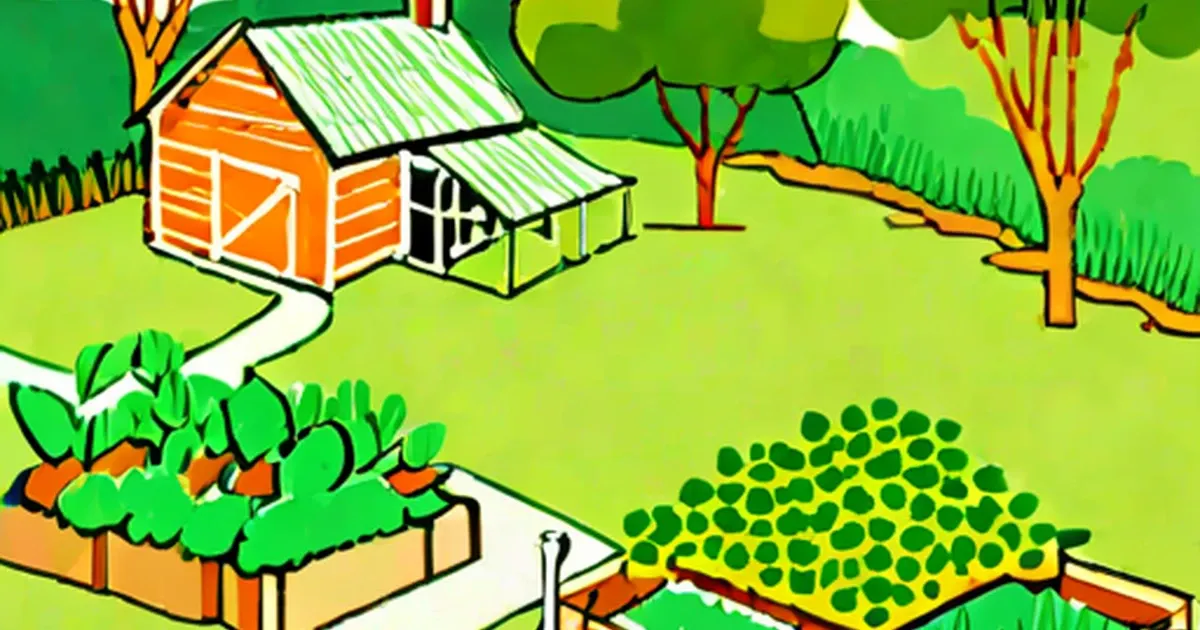
- To get that perfect and beautiful flower garden, plant three different varieties of zinnias in the flowerbed or your garden, beginning with the tall ones at the back, the medium-sized ones in the middle rows, and the smallest variety (dwarf zinnias) in the front rows.
- Water the area well, gently enough so the water does not splash around dislodging the seeds from their places.
- The seeds will sprout the first shoots in a week's time, so keep an eye out on your garden/window box. Just make sure you water them daily and keep the soil moist and not let it go dry and develop cracks, especially since it is receiving so much sun. You will soon notice the shoots developing into plants and the blooms appearing as the climate gets hotter, usually after a period of two months.
- Your plant needs enough room to grow optimally and produce vibrant blossoms. Once the plants have sprouted, pluck out extra saplings such that you leave a gap of at least a foot between two adjacent saplings.
- When the first blooms begin to appear, fertilize the plants. Apply as per the instructions on the packet. It is advisable to fertilize twice during the season, using the same amount of fertilizer for each application.
- Water thrice a week. Zinnias do not need too much water and prefer dry soil and are fairly drought-resistant. But do not let the stems, flowers, and leaves get wet. This can lead to rot and fungal diseases. Irrigate with a steady trickle at the base of the plant, taking care not to upheave the soil. The soil should retain its moisture at all times, but should not be waterlogged, as excess water can cause root rot.
- A layer of mulch at the base of the plant will help the soil to retain the moisture and hamper the growth of weeds as well. Uproot the weeds on a regular basis without harming the plants, so the zinnias do not get deprived of nutrients from the soil.
- Deadhead the plant regularly. Discarding the expired flowers will foster new buds and extend the blooming period.
- Use a garden stake or a sturdy stick to support plants and flowers that have grown tall. Insert it firmly into the ground and secure the stem and the stick together with a twine.
- As with other plants, zinnias are also susceptible to diseases like bacterial wilt, powdery mildew, and fungal spots. Avoid wetting the foliage to keep infections at bay. If you notice infected plants, pull them out or snip off the infected parts. Fungicides can be sprayed to control the growth of disease. Also check for overcrowding - pull out extra plants which will also reduce moisture buildup and promote circulation of air among the existing ones.
- Pests can also cause harm to your flowers, and some notorious ones include aphids, mealybugs, caterpillars, tomato worms, and spider mites. These insects will chew through the leaves, though they spare the flowers. Unless the situation gets out of control, avoid spraying pesticides. Butterflies frequent zinnias often, so spraying pesticides will harm these little creatures as well.
Like This Article?
Follow:

- List of Flower Names with Meanings and Pictures
- Different Types of Exotic Flowers
- Fall Flowers in Season
- Angel Trumpet Flower
- Types of Tropical Flowers
- Hawaiian Flower Names
- Rare Flower Names
- List of Flower Names and Meanings of Flowers
- List of Flower Names
- Types of Flowers: Different Kinds of Flowers
- Study of Sampaguita Flower
Post Comment