Bronchitis Vs Pneumonia
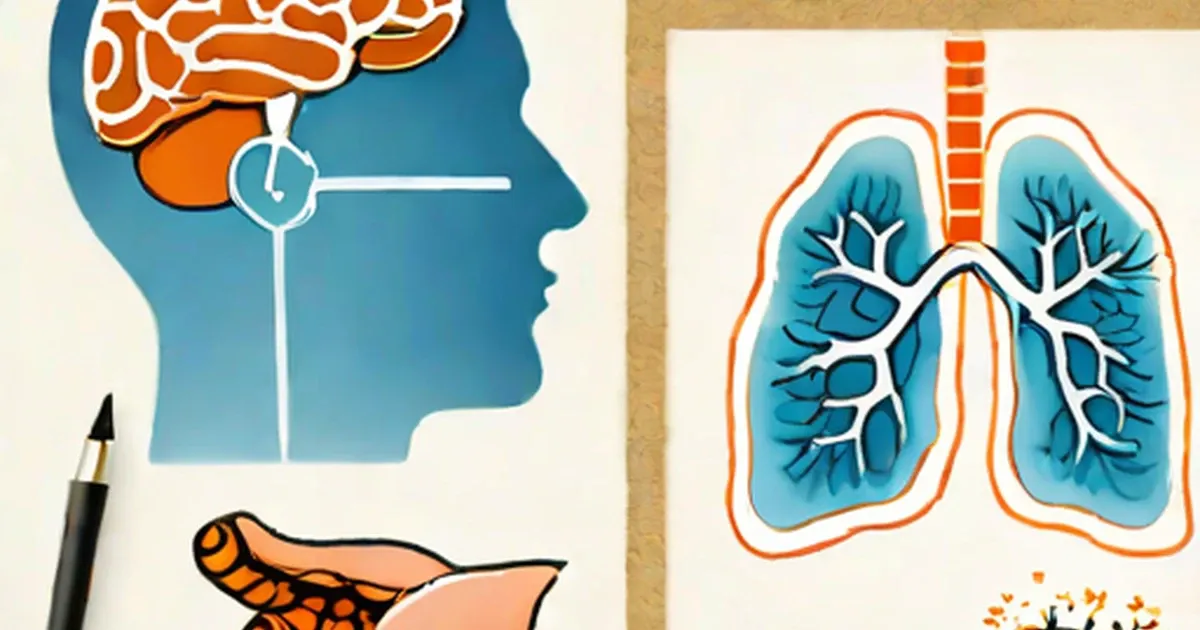
Bronchitis and pneumonia are both diseases that affect the respiratory system. Bronchitis is the inflammation of the air passages, while pneumonia is characterized by an infection of the lung tissues. To discover more about the differences between the two diseases, read on.
Bronchitis and pneumonia are respiratory ailments, as both affect the respiratory system, which includes the lungs, pleural cavity, bronchial tubes, trachea and upper respiratory tract. Despite sharing some common symptoms, considerable differences exist between the two diseases. Bronchitis is a disease characterized by the inflammation of bronchi or the air passages. It can be caused by bacterial and viral infection and exposure to irritants like smoke, dust and chemical solvents. On the other hand, pneumonia
causes an infection of the lung tissues, which lead to accumulation of fluid or pus within the alveoli of lungs. The infection can be caused by bacteria, viruses, parasites, other microorganisms and any kind of chemical or physical injury to the lungs.
Bronchitis is mainly of two types, acute and chronic. The acute bronchitis usually lasts for a week or so, accompanied with flu or cold, while chronic bronchitis can last for more than three months. Chronic bronchitis is caused by the inhalation of smoke, including tobacco smoke, dust and fumes, which lead to an irritation of the bronchial epithelium. It is a type of chronic obstructive pulmonary disease (COPD) and is characterized by recurrent symptoms. Pneumonia, on the other hand can be of several types such as viral, bacterial, community-acquired pneumonia, hospital-acquired pneumonia, eosinophilic pneumonia, chemical pneumonia, aspiration pneumonia dust pneumonia, etc.
Bronchitis is initially accompanied by a dry cough, and within a few days, one may experience moist cough with yellowish or green sputum. Sometimes, forceful coughing can cause damage to the chest wall. Excessive mucus is also produced, which can obstruct the air passages to the lungs. Besides cough, the general symptoms of bronchitis include nasal congestion, inflammation of the bronchi, presence of blood in the mucus, swelling of the bronchial walls, blockage of alveoli, breathing problems and a wheezing sound. The wheezing sound is produced while breathing due to the compression of the air passages.
Pneumonia, on the other hand may not always be accompanied by cough, especially when the infection affects those areas of the lungs, which are away from the larger air passages. If cough is present, then it produces green or blood spotted sputum. In addition to cough, one may experience fever, difficulty in breathing and chest pain, which gets worse while taking deep breaths. Besides these, in severe cases, skin color may also change due to poor oxygenation of the blood.
Diagnosis of both the diseases begin with the examination of a sample of the sputum of the patient in order to detect whether the disease is caused by bacteria or virus. In addition to this, a chest X-ray is carried out if pneumonia is suspected. Blood tests are also performed, to find out the count of white blood cells, as it provides important information regarding the severity as well the type of infection. An elevated level of neutrophils suggests bacterial infection, while an increase in the level of lymphocytes can indicate viral infection. Bronchoscopy is another test carried out in case of pneumonia for examining the air passages.
If both bronchitis and pneumonia are caused by bacteria, then they are treated with antibiotics. However, if a virus is the cause for both the diseases, then there is no drug to alleviate the problems and the infection usually runs its own course. The bronchitis caused by viral infections usually lasts for a week or two, while an individual with pneumonia can take several months to recover completely.
Though both bronchitis and pneumonia are common diseases among all age groups, the symptoms are found to be more severe in elderly and people afflicted with chronic diseases. The appropriate treatment and recovery depend to a great extent on the determination of the exact cause of the disease, i.e. whether they are caused by bacteria or virus or any other factor.