Automatic Transmission Fluid Change

Changing the automatic transmission fluid at recommended intervals is very essential for the proper functioning of the cooling of the vehicle's transmission system...
Automatic Transmission Fluid (ATF) is a lubricant that enables smooth power transmission in automobiles which have automatic transmission. Generally, it is red or green in color, to distinguish it from other engine fluids like engine oil or antifreeze. In order for the smooth running of the vehicle's automatic transmission, it is recommended to change the ATF every 25,000 to 30,000 miles. If the ATF is not changed at given time intervals, it may lead to transmission problems. If you decide to change the ATF at home, you can surely save some dollars spent on the car's maintenance. Ensure that you dispose off the old fluid in a proper manner, and also take precautions to preclude the fluid from getting in contact with your skin or eyes.

How to Change Automatic Transmission Fluid

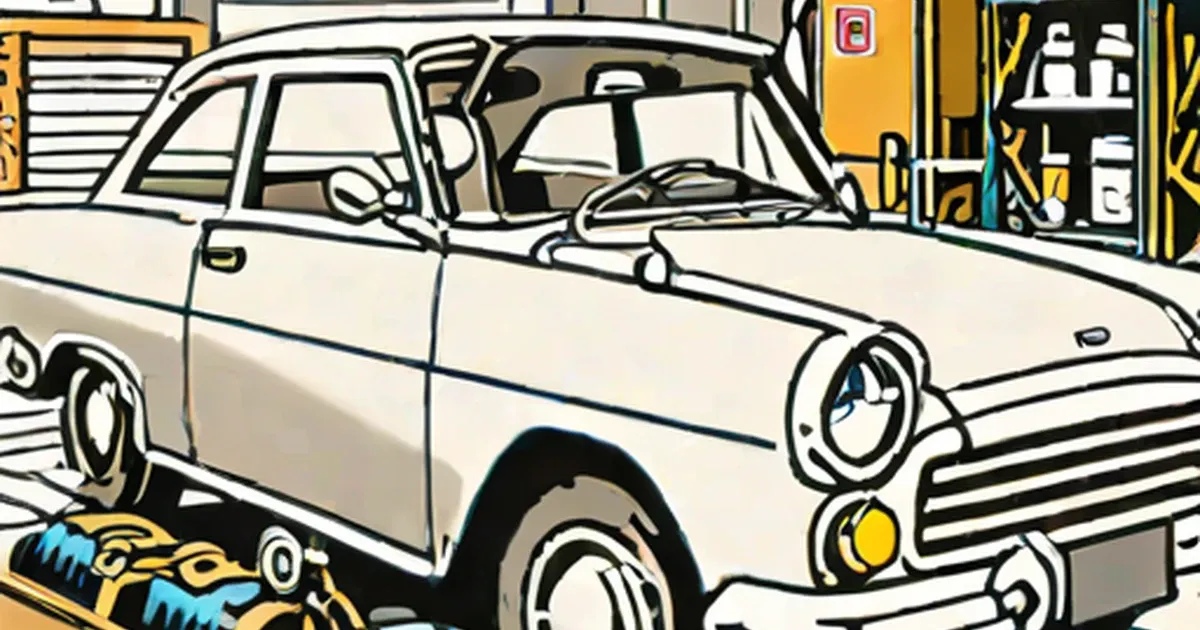
To start off, ensure that the vehicle is on a completely flat surface. This would allow precise oil reading with a dipstick, after the new ATF refill. While replacing the old fluid, you are also required to change the pan gasket and filter. You need to check the manufacturers recommendations regarding what all things you need to consider when changing the ATF. You should be ready with certain tools that are needed for the ATF change. If the gasket doesn't have a built-in seal, you will also require gasket cement. You would need a small scraper, a socket set with a ratchet, a funnel, a pan to hold the old liquid, a drop sheet, safety eyeglasses, and a mechanic's dolly. The first step would be to jack the car at an adequate height so that you can easily go beneath it.

The transmission pan would be situated beneath the car near the drive axle. For rear wheel drive cars, it would be situated behind the center of the car; while for front wheel drive cars it would be located toward the car's front, near to the oil pan. The oil pan would mostly have a drain bolt unlike the transmission pan which normally doesn't.

After lifting the car up with the help of jacks, set the catch pan beneath the transmission pan. If the transmission pan consists of a drain bolt, open it and allow the old fluid to drain out completely. Remove all bolts except the two opposite transmission pan bolts, keeping the pan in its place with your hand as you take out the last two bolts. If the transmission pan doesn't consist of a drain bolt, you may loosen all bolts without the need of releasing them. Remove the bolts to let the ATF come out. Let all the fluid get drained and then take the transmission pan out. Ensure that you keep all the bolts in the same order in which you took them out. It usually takes up to 30 minutes to fully drain the old fluid. Keep the transmission pan on the drop sheet. Remove the bolts that are holding the old filter, considering that there is some fluid in the filter, and place it in the transmission pan. Bolt the new filter into its appropriate position.

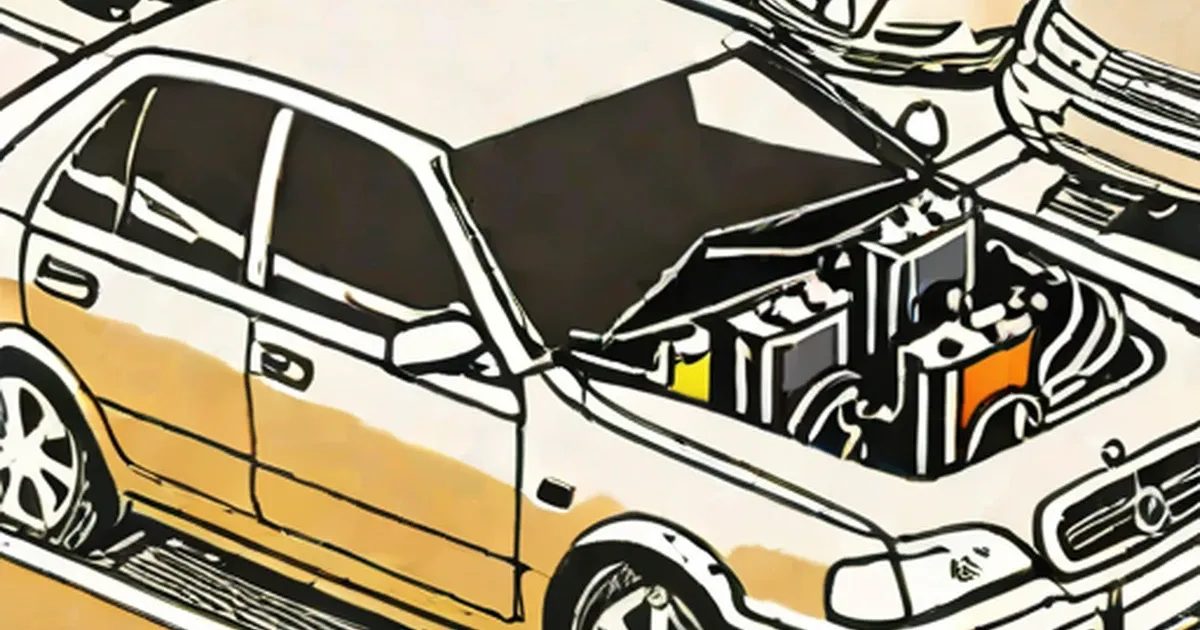
You then need to scavenge the transmission pan magnet and remove any remaining pieces of gasket from the pan as well as the transmission housing. Fix a new gasket to the pan. Adjust the transmission pan with the housing, slackly securing the bolts to hold it in place. Make sure that you do not start fastening until all the bolts are in place. Make the seal snug, but ensure that you do not over-tighten it, as this can spoil the new gasket. Your work beneath the car is over, and you need to take the car back down to the ground. Open the car's hood and fill the new ATF in the transmission carefully to an appropriate level by using the funnel. Use the dipstick and measure if the level is correct. If you are unsure about the correct level of ATF to be filled, you may refer to the car owner manual.

If you are thinking of automatic transmission fluid change, you most importantly need to determine which type of ATF is to be used by referring to the owner's manual.
Like This Article?
Follow:
Post Comment
Your Comments:
Your Name: