Ancient Chinese Culture

Ancient Chinese culture has a unique place among cultures of the world. Historical evidences have shown the spread of Chinese culture and traditions to neighboring countries such as Japan, Korea and Vietnam. To know more about this rich, ancient culture, read on.
China is considered to be the oldest civilization of the world. It is assumed that ancient China existed about 5000 to 500,000 years ago. The first Chinese civilization is believed to have flourished in the Yellow River valley, in the Neolithic era.

Ancient Chinese culture has made many contributions to the field of science. The ancient Chinese were responsible for four major inventions, namely, compass, gunpowder, paper and printing. The world's oldest record of continuously used writing systems is Written Chinese. In fact, many of the Chinese characters that are used currently have been traced back to about 1500 BCE. The modern Chinese culture and tradition is an amalgamation of political and cultural influences, contributed by the immigrants from various parts of Asia. Let's take a look at the arts, architecture, clothing, food, festivals and martial arts in those times.

Chinese Arts
The Chinese traditional arts represent the country's rich heritage. Notable Chinese arts were prevalent since the Neolithic period. In those times, jade and pottery formed the basis of Chinese arts. Bronze was introduced only in the Shang dynasty. Chinese porcelain (a form of ceramic ware), which is famous worldwide was used during the Imperial era. The Yuan dynasty is a remarkable phase of Chinese culture, marked by great paintings of Zhao Mengfu and beginning of Chinese opera. With the advent of Imperial era, performing arts like theater and dances were introduced in China.

Chinese Architecture
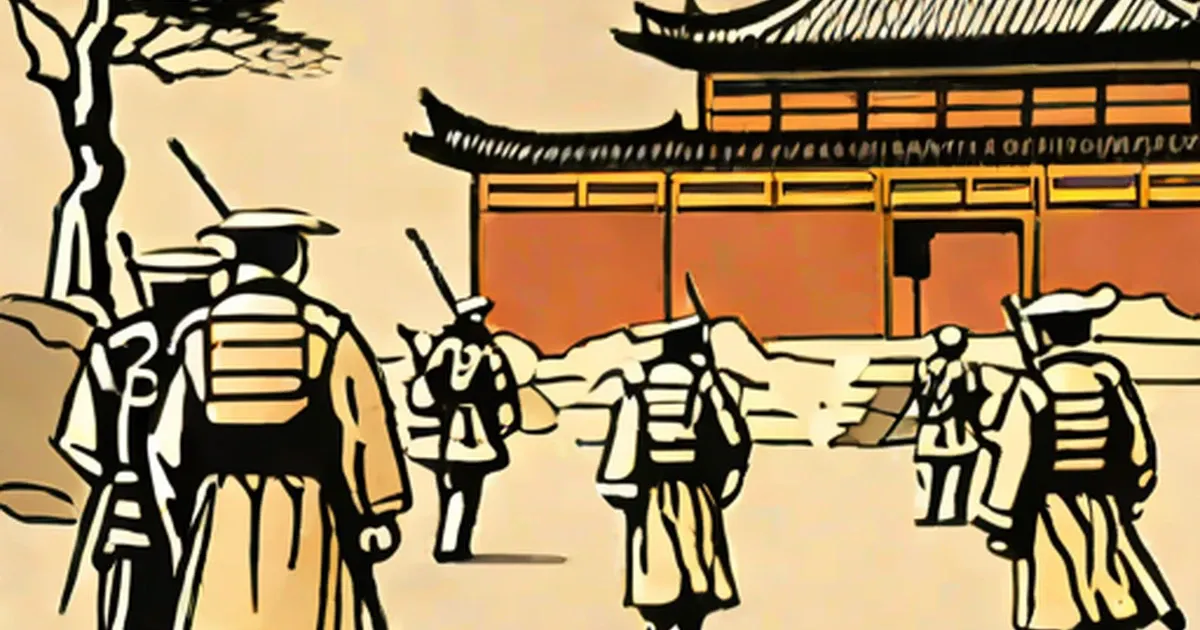
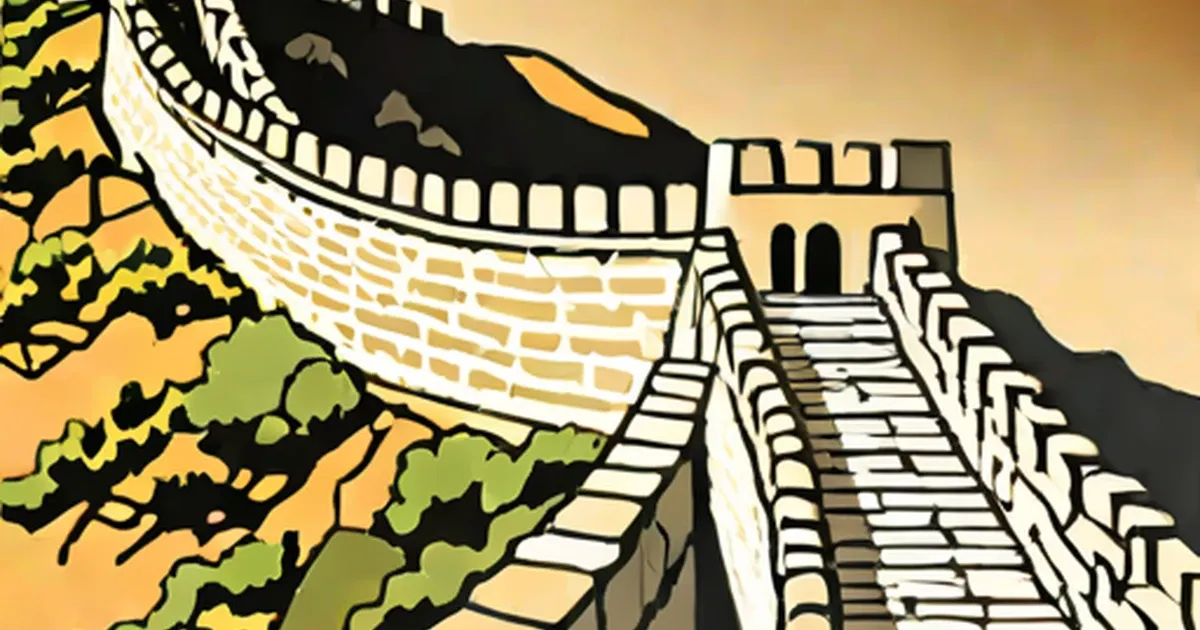
Ancient Chinese architecture is the most magnificent and splendid aspect of Chinese culture. One architectural wonder is the Great Wall of China that was completed during the Ming dynasty. The Imperial Mausoleum (built by thousands of architects), another such feature, are monuments built at the burial site of the emperors. They are usually built on the sides of hills and mountains. Emperors from different ruling dynasties built varied styles of imperial palaces. These palaces are examples of architectural excellence. Since, the number nine was regarded lucky; the architecture was designed in such a way that the palaces had nine sections; the size of each section was in multiples of nine. Dragon (Long) and Phoenix (Feng) are very important in Chinese mythology. The palaces and walls were carved with symbols of the dragon, believed to be a representation of the emperors.

Chinese Clothing
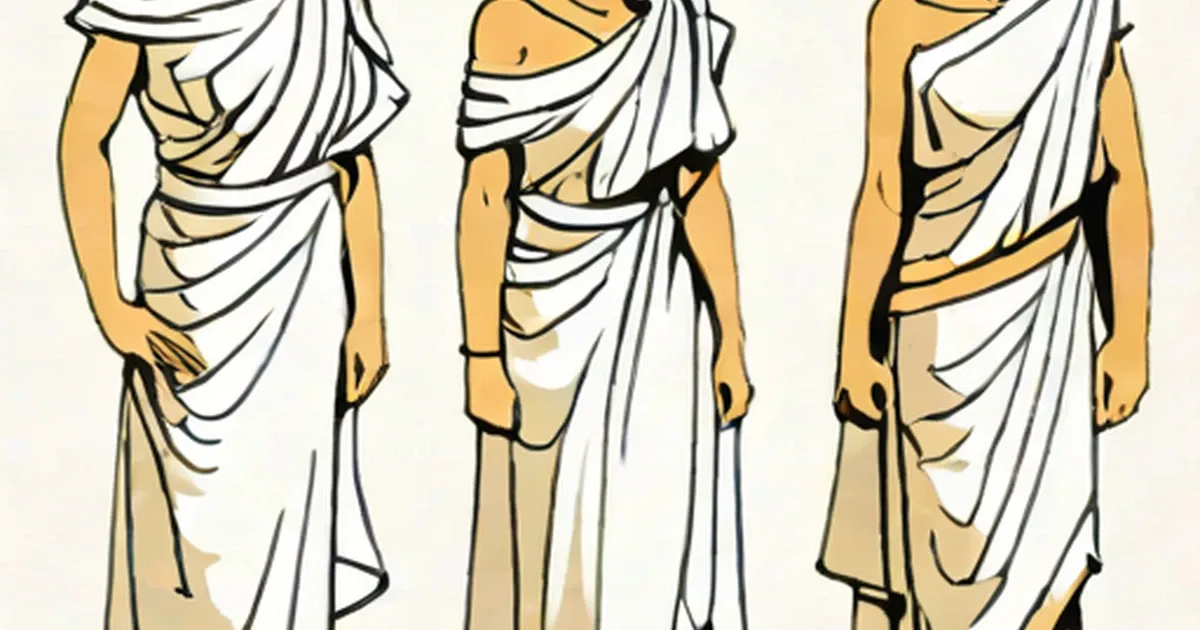
Another important aspect is ancient Chinese clothing. Archaeological evidences have shown the presence of bone sewing machines, ornamental shells and stone beads as early as 18,000 years ago. The three traditional Chinese clothing are the pien-fu (two piece ceremonial costume), the ch'ang-p'ao (long dress), and the shen-i. Embroidered designs were a unique feature of traditional Chinese clothing.

Chinese Food
In China, millet and rice was harvested around the fourth and fifth millennium BC. It was believed that rice was the staple food in ancient China since 5000 BCE. It was divided into northern and southern styles of cooking. The northern style represented oily foods with the flavor of garlic and vinegar, whereas southern Chinese dishes were more spicy and cooked with chili and peppers. Nutrition along with color, aroma and flavor were the principles followed in the preparation of ancient Chinese food. The Chinese had a traditional belief in the medicinal importance of food. This formed the basis of traditional Chinese medicine. According to ancient Chinese culture, there were certain rules for eating, for e.g., food was consumed while being seated in a sequence, for example, the men first, then the women and children.

Chinese Festival
Traditional Chinese festivals like Chinese New Year and the Dragon Boat Festival have been celebrated since ancient times. The Chinese New Year begins on the first day of the first month in the lunisolar Chinese calendar. According to Chinese folk tales, the festival started with a fight against Nian (a mythical beast). The ancient Chinese had a belief that Nian will not attack them, if food was offered to it. Since then, Chinese put food in front of their doors on the starting day of the festival. People prayed to the 'God of Wealth' with the hope that He will bring good fortune to the family. The Duanwu Festival (Dragon Boat Festival) was believed to have originated in ancient China. It was celebrated to honor the death of Qu Yuan, a renowned poet and minister to the King of Chu in 278 BC. As Chu was conquered by Qin, Qu Yuan committed suicide on the fifth day of the fifth month by drowning himself in the Milou river. The local villagers, who admired him, fed the fish so that they would spare the body of Qu Yuan, they also paddled out on boats to retrieve his body. This marked the beginning of the Dragon Boat Festival. Traditional Chinese festivals were celebrated with the aim of spreading good wishes and happiness.

Chinese Martial Arts (Kung Fu)
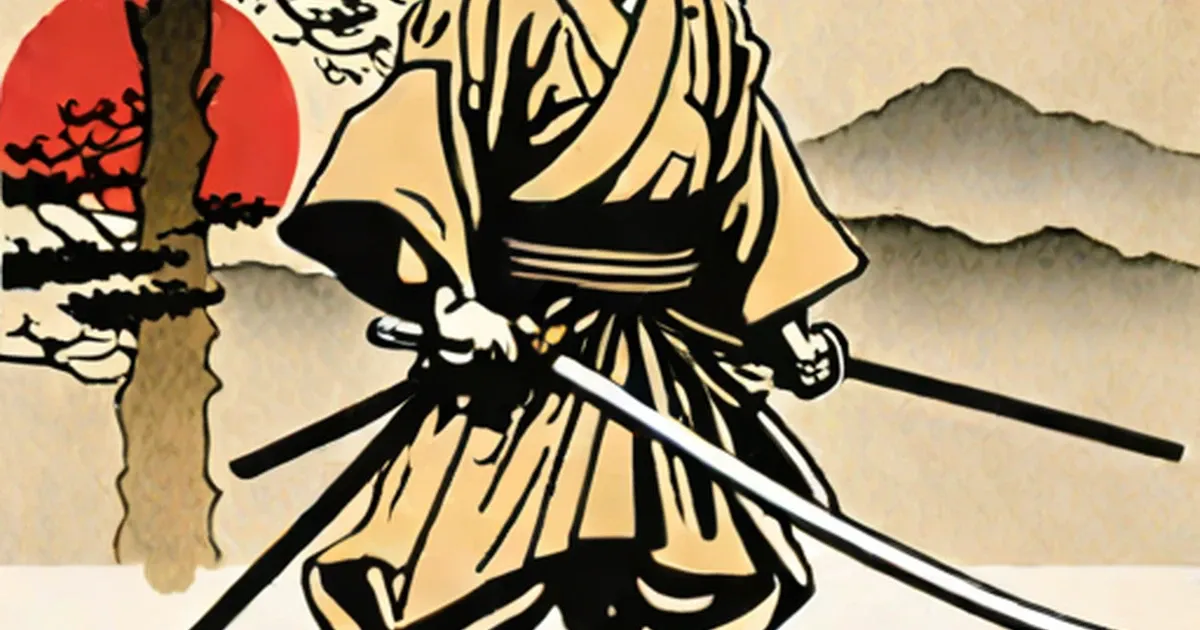
In ancient China, board games and movement games were common, both of which originated from war training. Generals were given training in board games, whereas movement games or martial arts were instructed for the purpose of fighting. In those times, the most popular board game was 'Go', which originated around 2000 BC. It was believed that Yellow Emperor had invented martial arts for the first time in about 2600 BC (much before the Shang dynasty). By around 550 BC, Sun Tzu wrote "Art of War", describing the techniques of martial arts. It was around the same time, when Taoists started practicing Tai Chi. During the time of the Han dynasty (about 50 AD), Pan Ku wrote a book about Kung Fu. The theory behind Kung Fu fighting styles was rooted in ancient Chinese philosophy. There were two categories under Kung Fu - internal and external. The former involved training the spirit (shen) and mind (xin); whereas in external Kung Fu, one needed to exercise muscles, tendons and bones. It was played as a unique combination of art, exercise, self-defense and self-discipline.

It was believed that ancient China was isolated from other countries, which was evident from the creation of the Great Wall. The customs and traditions of ancient Chinese differed greatly from one region to the other. About the ancient Chinese poems, who could forget the mysterious poems and statements of Confucius and Tao Te Ching. Till today, the three teachings - Confucianism, Taoism, and Buddhism influence the life of many people worldwide. Be it literature or music, the ancient Chinese culture represented its uniqueness over other cultures of the world.
By
Last Updated: 9/26/2011
Like This Article?
Follow:
Post Comment | View Comments
Your Comments:
Your Name: